Psychosocial Aspects of Diabetes Technology: Adult Perspective

Author: William H Polonsky

Abstract

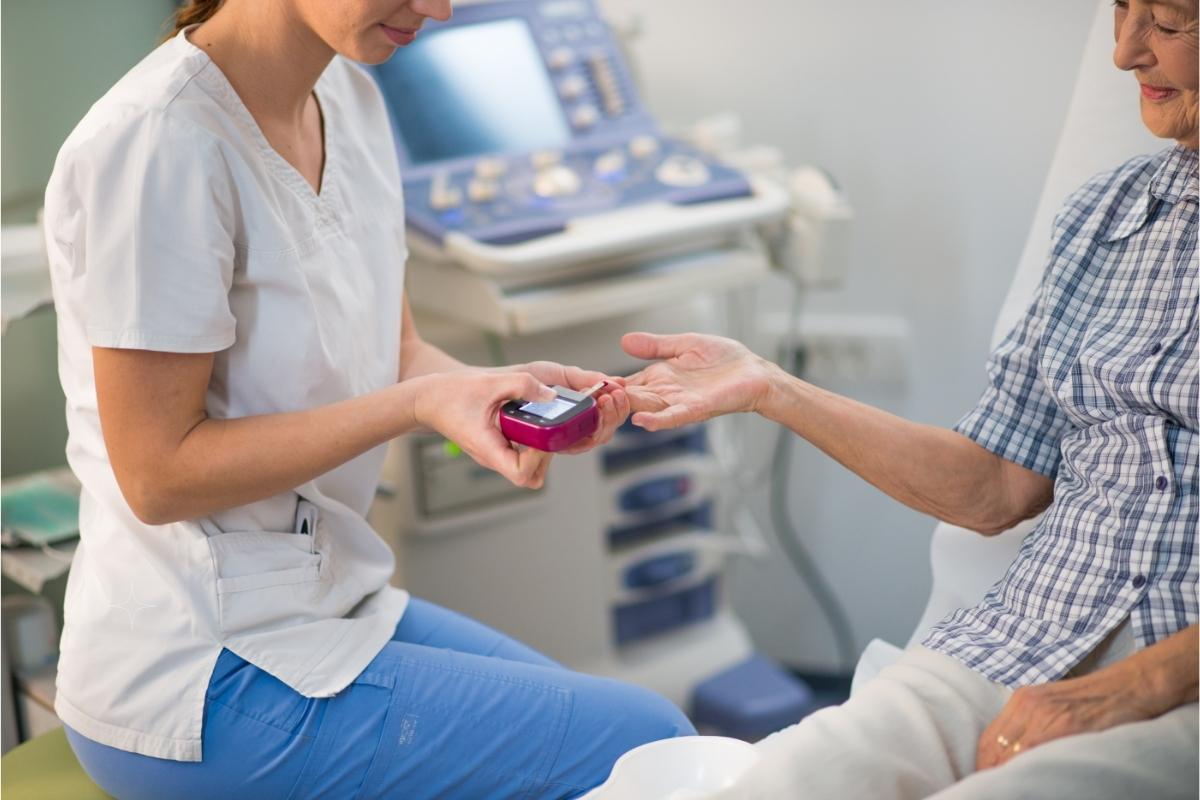
The success of diabetes technologies depends on the attitudes and behavior of the individuals who choose to adopt them. Real-time continuous glucose monitoring, continuous subcutaneous insulin infusion, and sensor-augmented pump systems may positively affect diabetes-related quality of life (QOL), although the influence on QOL outcomes seems to be modest and the results from randomized controlled trials are limited and controversial. In contrast, more consistently positive QOL-related responses are apparent from observational data. The newer generations of devices hold the promise for more strongly enhancing diabetes-related QOL. Appropriate training and ongoing support are likely to be the key to successful uptake.

Source: https://pubmed.ncbi.nlm.nih.gov/31980114/

Share the Post:

BDI Monthly Events

September 9
September 9Case Consultation
September 9: BDI hosts the San Diego-wide, monthly case consultation meeting (for mental health professionals working in the field of diabetes). Contact us at info@behavioraldiabetes.org if you are in the greater San Diego area and would like further information about this program.
October 16
October 16Diabetes Data Workshop
BDI friends and fellow healthcare professionals, Adam Brown and Aimeé José, present an in-person half-day workshop for people with diabetes here in San Diego, How to Make Diabetes Data Your Friend. Don’t miss it!
October 24
October 24CME Workshop
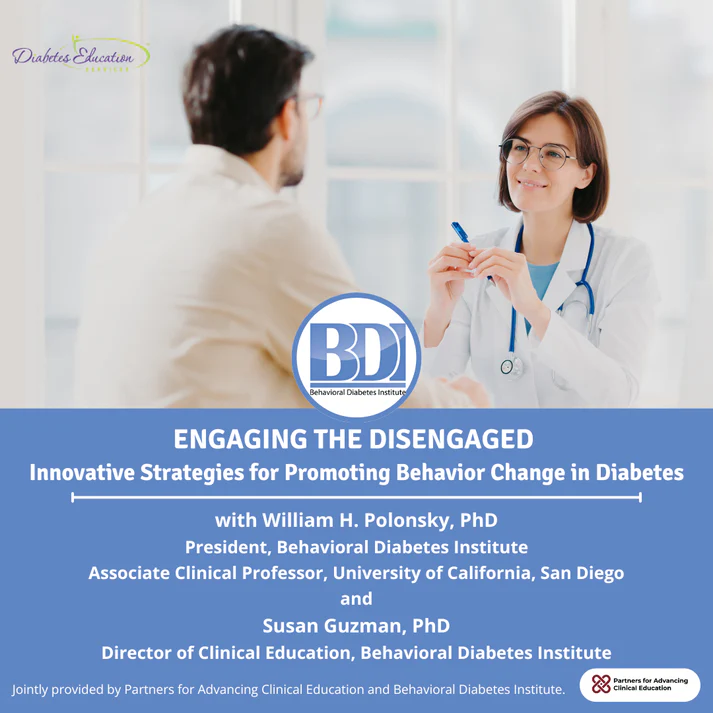
On October 24, BDI will host a live, one-day, CME workshop: Engaging the Disengaged: Innovative Strategies for Promoting Behavior Change in Diabetes. Run by Dr. Polonsky (BDI President) and Dr. Guzman (BDI Clinic Director), Participants will deepen their skills in recognizing and addressing common barriers to effective self-care and cardiometabolic medication initiation and maintenance, while fostering respectful, stigma-free clinical encounters.