





People with Diabetes

Living with diabetes is about more than numbers.

Managing diabetes can take a lot of time, attention, and effort—and sometimes it can feel frustrating, exhausting, or overwhelming.

At the Behavioral Diabetes Institute, we focus on the emotional and behavioral side of diabetes. Whether you’re feeling burned out, struggling to stay motivated, adjusting to a new diagnosis, or simply looking for practical support, we’re here to help.

Explore our free tools, videos, assessments, and resources designed to help you live well with diabetes.

Feeling Overwhelmed by Diabetes?

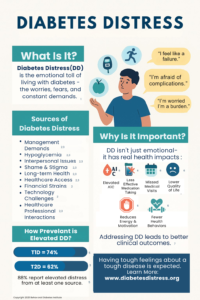
Learn About Diabetes Distress

Diabetes distress is the emotional burden, worry, frustration, and exhaustion that can come with managing diabetes day after day.

Our free Diabetes Distress Assessment can help you identify how much distress you may be experiencing—and what parts of diabetes are weighing on you most.

Watch and Learn

BDI Briefs is an ongoing video series exploring the emotional and behavioral side of diabetes. Each episode takes on a different topic, with practical insights for people with diabetes, their families, and healthcare professionals.

More Videos and Talks


Dr. Polonsky’s presentation at the “Search for a Cure” TEDx Del Mar event where clinicians and researchers share research and real life experiences with others involved in the search. Dr. Polonsky presented on the emotional and behavioral issues involved in managing diabetes, and outlined BDI’s understanding of the approaches used by people who live well with diabetes.


Watch this panel of people with type 2 diabetes discuss how they felt and reacted to their diagnosis of type 2. The panel is moderated by Dr. Lawrence Fisher, Director of Research for BDI. This event was sponsored by Takeda Pharmaceutical Company.


Watch BDI’s Dr. Susan Guzman’s presentation on why diabetes can be so discouraging. Dr. Guzman offers strategies that people with diabetes can use to help keep them motivated. This presentation was delivered at the George Hegstrom Annual Diabetes Symposium, Mary Greeley Health Center.

Free Print Materials

BDI offers free pamphlets, infographics, and other downloadable resources designed to support people living with diabetes and those who care about them. Explore a few featured resources below, or visit our full Print Materials library.

BDI Diabetes Etiquette
BDI-Dont-Freak-Out

Diabetes Distress Infographic


 Download PDF

Diabetes Etiquette For People Who DON’T Have Diabetes

 Download PDF

DON’T FREAK OUT!
10 Things to Know When Diagnosed with Type 2 Diabetes

 Download PDF

Diabetes Distress Infographic

 Download PDF

BDI-Dont-Freak-Out

DON’T FREAK OUT 10 Things to Know When Diagnosed with Type 2 Diabetes

 Download PDF

BDI Diabetes Etiquette

Diabetes Etiquette For People Who DON’T Have Diabetes

 Download PDF

Explore BDI Research

BDI researchers study the emotional and behavioral side of diabetes, including diabetes distress, burnout, stigma, communication, and quality of life.

JOIN US FOR A LOCAL EVENT

Monthly Events

September 9
September 9Case Consultation
September 9: BDI hosts the San Diego-wide, monthly case consultation meeting (for mental health professionals working in the field of diabetes). Contact us at info@behavioraldiabetes.org if you are in the greater San Diego area and would like further information about this program.
October 16
October 16Diabetes Data Workshop
BDI friends and fellow healthcare professionals, Adam Brown and Aimeé José, present an in-person half-day workshop for people with diabetes here in San Diego, How to Make Diabetes Data Your Friend. Don’t miss it!
October 24
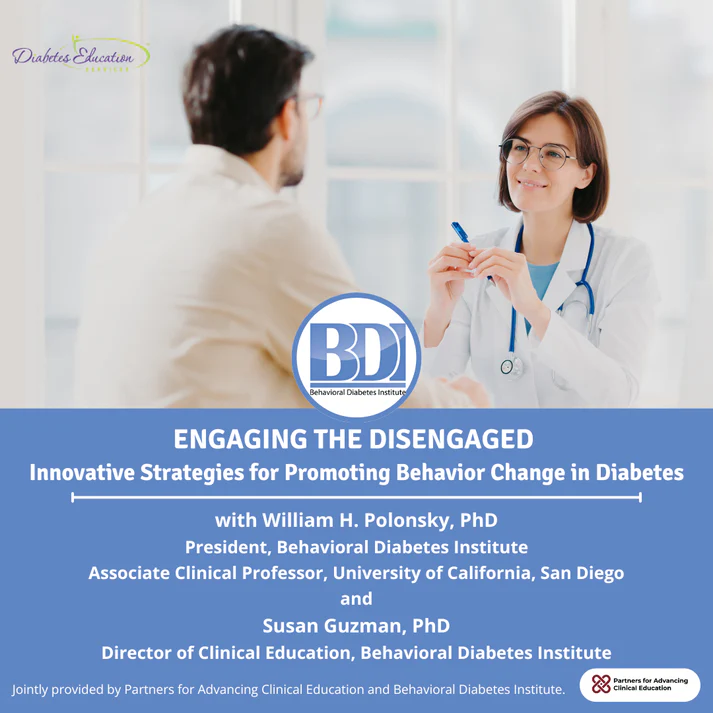
October 24CME Workshop
On October 24, BDI will host a live, one-day, CME workshop: Engaging the Disengaged: Innovative Strategies for Promoting Behavior Change in Diabetes. Run by Dr. Polonsky (BDI President) and Dr. Guzman (BDI Clinic Director), Participants will deepen their skills in recognizing and addressing common barriers to effective self-care and cardiometabolic medication initiation and maintenance, while fostering respectful, stigma-free clinical encounters.