

Device Satisfaction

Documentation: GMSS, IDSS

The GMSS is a 15-item self-report scale, with separate versions for subjects with type 1 diabetes (T1D) and type 2 diabetes (T2D). The T1D version includes 4 subscales, which capture the following key dimensions: openness, emotional burden, behavioral burden and trust. The T2D version also includes 4 subscales: openness, emotional burden, behavioral burden and worthwhileness.

First published in 2015, it is already been selected as an important outcome measures in upcoming studies.

This copyrighted scale is available free of charge to non-profit institutions for use in clinical care and research.

However, payment of a per use licensing fee is required for all for-profit companies and other for-profit institutions. To find out more about licensing procedures and fees in regards to for-profit organizations, please contact us at info@behavioraldiabetes.org.

We have many translations available for download. It has come to our attention that several of the translated versions have changed the order and some content of the scale items. This may make the order and content of the subscales unreliable. We caution anyone who is using translated versions and who wishes to make use of the subscales to make certain that the order and content of the items match the original English version

The key GMSS publication is:

Title: Development of a New Measure for Assessing Glucose Monitoring Device-Related Treatment Satisfaction and Quality of Life

Date: 2015

Authors: Polonsky WH, Fisher L, Hessler D, Edelman SV.

The IDSS is a self-report scale with two versions, a 14-item version for subjects with type 1 diabetes (T1D) and a 12-item version for subjects with type 2 diabetes (T2D). The T1D version includes 3 subscales, which capture the following key dimensions: effectiveness, burdensomeness and inconvenience. The T2D version also includes 3 subscales: difficulty, usefulness and freeing.

First published in 2015, it is already been selected as an important outcome measures in upcoming studies.

This copyrighted scale is available free of charge to non-profit institutions for use in clinical care and research.

However, payment of a per use licensing fee is required for all for-profit companies and other for-profit institutions. To find out more about licensing procedures and fees in regards to for-profit organizations, please contact us at info@behavioraldiabetes.org.

At this time, the two IDSS versions are only available in English and Turkish.

The key IDSS publication is:

Title: Development of a new measure for assessing insulin delivery device satisfaction in patients with type 1 and type 2 diabetes.

Date:2015

Authors: Polonsky WH, Fisher L, Hessler D, Edelman SV.

JOIN US FOR A LOCAL EVENT

Monthly Events

November 11
November 11Case Consultation
November 11: BDI hosts the San Diego-wide, monthly case consultation meeting (for mental health professionals working in the field of diabetes). Contact us at info@behavioraldiabetes.org if you are in the greater San Diego area and would like further information about this program.

November 14
November 14World Diabetes Day!
November 14: World Diabetes Day! Time for another T1D meet-up! GrownupT1Ds, a wonderful nonprofit that organizes fun social events for adults with type 1 diabetes here in southern California and now spreading to other cities across the United States. The next local one will be at Brewery X, 3191 E. La Palma Ave., Anaheim, CA 92806. Things get started at 2:00 P.M. Please RSVP at kelly@grownup.t1ds.org

November 26
November 26Happy Thanksgiving!
This Thanksgiving, we are especially grateful for the individuals, families, healthcare professionals, and friends who make up the BDI community. Thank you for your continued support and for sharing in our mission to improve the emotional well-being of people living with diabetes. Wishing you and your loved ones a warm and happy Thanksgiving!
November 3
November 3Engaging the Disengaged
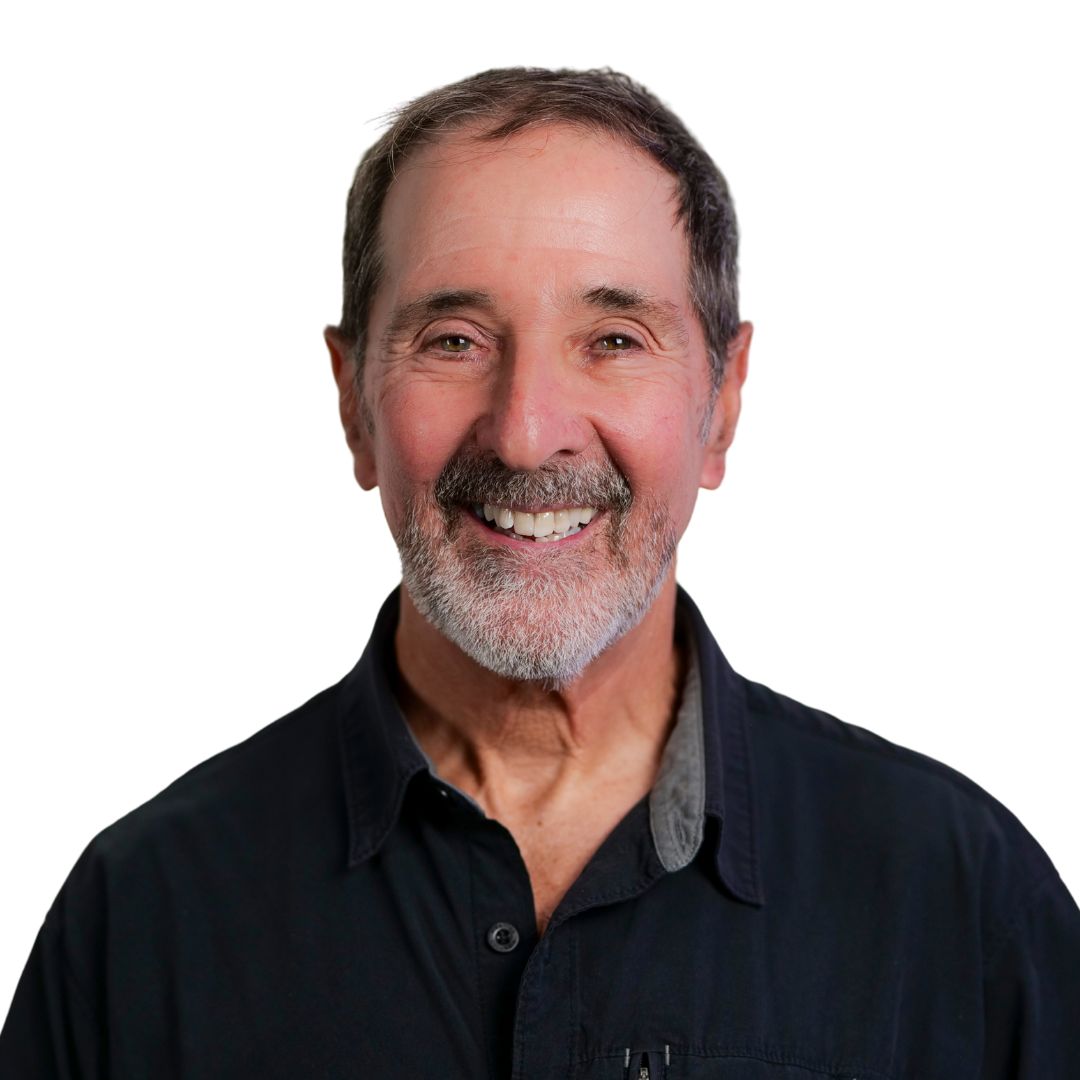
November 3: Dr. Polonsky (BDI President) will be speaking on “Engaging the Disengaged: Diabetes Distress, Diabetes Burnout and More” at the Southern California Permanente Medical Group’s 32th Annual Diabetes Hybrid Symposium, in Long Beach (CA).