
A Behavioral Perspective of Therapeutic Inertia: A Look at the Transition to Insulin Therapy

Author: Guzman, SJ.

From a behavioral perspective, therapeutic inertia can happen when obstacles to changing a diabetes treatment plan outweigh perceived benefits. There is a complex interaction of important treatment-related obstacles for people with diabetes (PWD), their treating health care professional (HCP), and the clinical setting in which they interact. Tipping the scales toward more effective action involve strategies that increase perceptions of the benefits of treatment intensification while addressing important obstacles so that treatment changes are seen by both PWD and HCPs as worthwhile and achievable.

Source: https://diabetesjournals.org/spectrum/article/33/1/38/32924/A-Behavioral-Perspective-of-Therapeutic-Inertia-A

Share the Post:

BDI Monthly Events

February 3Virtual Presentation
February 3: Dr. Guzman (BDI’s Director of Clinical Education) will moderate ADA’s “Diabetes 101: Case Management Webinar”.
February 11
February 11Case Consultation
February 11: BDI hosts the San Diego-wide, monthly case consultation meeting (for mental health professionals working in the field of diabetes). Contact us at [email protected] if you are in the greater San Diego area and would like further information about this program.
February 22
February 22T1D Meetup
February 22: Time for another T1D meet-up! GrownupT1Ds, a wonderful nonprofit that organizes fun social events for adults with type 1 diabetes here in southern California and now spreading to other cities across the United States. The next one will be at 1 pm at Hooleys Public House, 5500 Grossmont Center Dr, La Mesa, CA. This event is free, but space is limited. Please RSVP at www.grownupt1ds.org
April 18
April 18CME Workshop
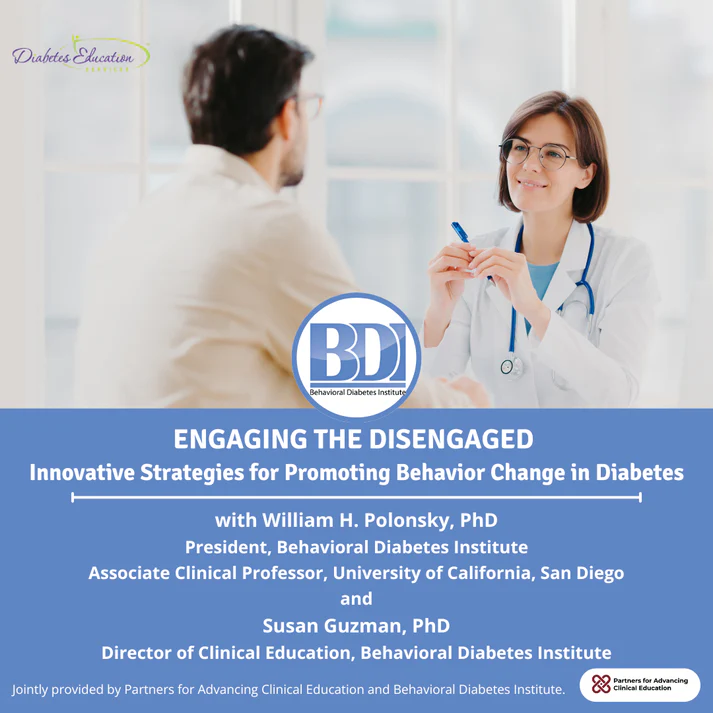
On April 18, BDI will host a live, one-day, CME workshop: Engaging the Disengaged: Innovative Strategies for Promoting Behavior Change in Diabetes. Run by Dr. Polonsky (BDI President) and Dr. Guzman (BDI Clinic Director), Participants will deepen their skills in recognizing and addressing common barriers to effective self-care and cardiometabolic medication initiation and maintenance, while fostering respectful, stigma-free clinical encounters.