


BDI MONTHLY UPDATES
What's New in December 2025
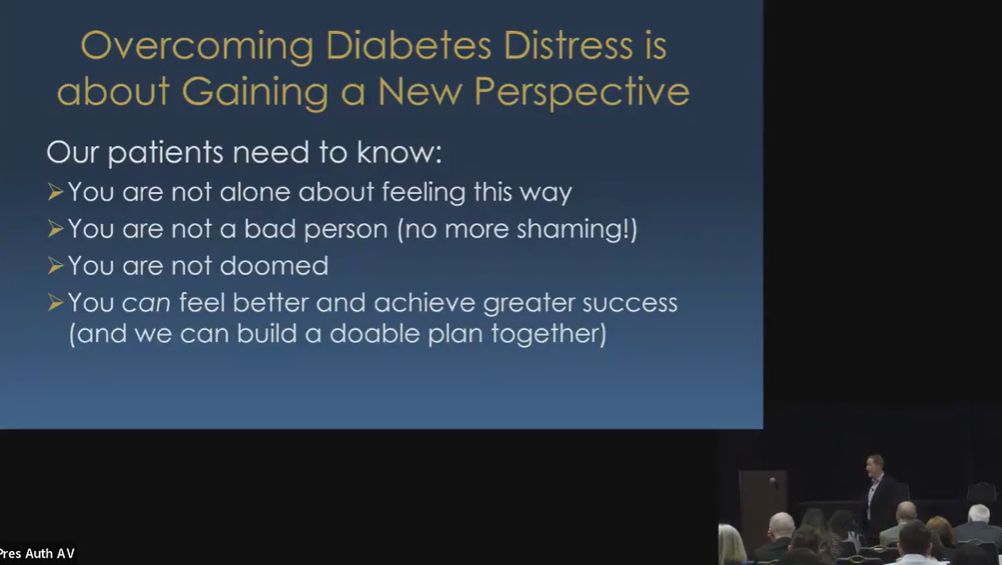
Diabetes Distress and Diabetes Burnout
Diabetes Distress and Diabetes Burnout. Watch Dr. Polonsky’s presentation at the recent Mid-Atlantic Society of Endocrinologists (MASE) 2025 Annual Meeting, which is now available to all
BDI members published 8 scholarly articles
5 new BDI Briefs
BDI members participated in various panels and presentations:
- Rising Above the Bias: Let’s Talk About Diabetes
- Real-Time CGM as a Motivational Support Tool in Type 2 Diabetes | SIGMA Web Platform
- American Diabetes Association’s 85th Scientific Sessions (Chicago IL)
- ONE 2025 – Taking Control Of Your Diabetes®
- Scripps Whittier Diabetes Institute’s 2025 Updates in Diabetes Management The Power of Psych: A Tale of 3 Studies | Vumedi
For our DD-ASSIST project, an in person skill-building workshop to help diabetes clinicians learn how to assess and address diabetes distress, Drs Guzman and Fisher traveled to Idaho Falls, ID, Durango, CO, Lexington, KY and New Orleans, LA.
JOIN US FOR A LOCAL EVENT
Monthly Events
BEHAVIORAL DIABETES INSTITUTE
Recent Publications
During 2024, BDI staff authored or co-authored 24 scientific publications (which includes the 3 new ones highlighted above) and 8 published abstracts at major scientific meetings. You can see the full list right HERE. Our work has covered a wide range, including studies on diabetes distress, the value of continuous glucose monitoring (CGM) for people with diabetes, the impact of diabetes medications on quality of life, the benefits of diabetes technology for people with type 1 and type 2 diabetes, diabetes stigma, and more.
Insulin Pen Needle Reuse in U.S. Adults with Diabetes: A Cross-Sectional Survey Study on Patterns, Motivations, and Educational Implications
Susan Guzman · Natalie Bellini · Lucille Hughes · Pasha Javadi ·Camilla Schanche · Maria Muccioli · Lori Berard Received:
The Potential of Inhaled Insulin Therapy in Overcoming Treatment Barriers in People with Insulin-Treated Diabetes
Korey K Hood, William H Polonsky Abstract Barriers to insulin therapy remain a critical challenge for individuals with insulin-treated diabetes, contributing